In today’s digital world, many people and businesses need reliable web hosting to run their websites smoothly. If you are wondering what is VPS hosting how works, this guide will explain it in simple terms. VPS hosting, or Virtual Private Server hosting, is a popular choice for those who need more control and power than basic shared hosting but do not want the high cost of a dedicated server. Understanding what is VPS hosting how works can help you decide if it is right for your needs.
What is VPS Hosting?
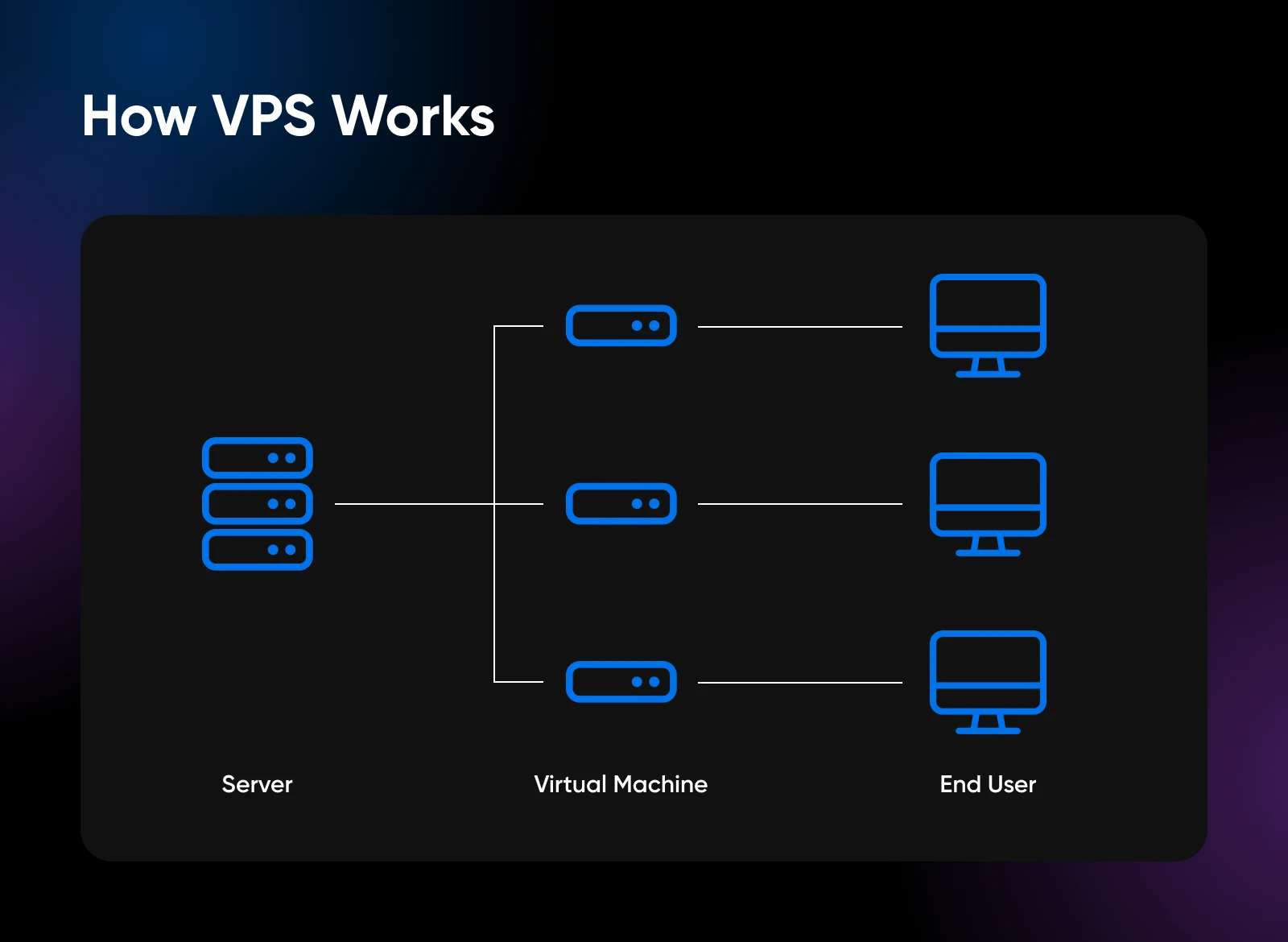
To start with what is VPS hosting how works, let’s first define VPS. VPS stands for Virtual Private Server. It is a type of web hosting where a physical server is divided into multiple virtual servers using special software. Each virtual server acts like its own independent machine, even though they all share the same physical hardware.
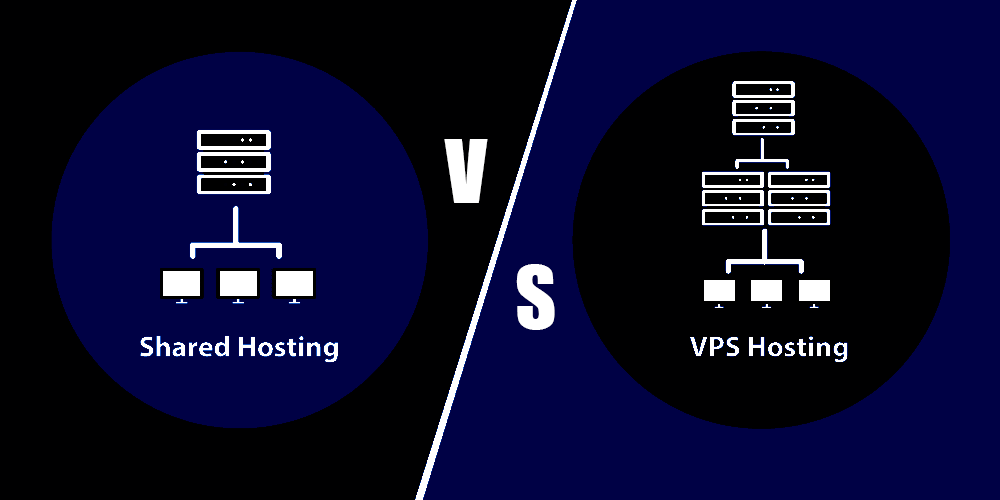
Unlike shared hosting, where many websites share the same resources and can affect each other’s performance, VPS gives you dedicated resources. This means your website gets a fixed amount of CPU, RAM, and storage that no one else can use. This isolation makes VPS more secure and reliable. For example, if another website on the same physical server gets a lot of traffic, it will not slow down your site because your resources are protected.
Many experts describe VPS as a middle ground between shared hosting and dedicated hosting. In shared hosting, you share everything, which is cheap but limited. In dedicated hosting, you get the whole server to yourself, which is powerful but expensive. VPS offers the best of both worlds: privacy and power at a reasonable price.
How VPS Hosting Works
Now, let’s dive deeper into what is VPS hosting how works on a technical level, but we will keep it simple. VPS hosting relies on virtualization technology. This technology creates virtual machines on a single physical server. A software called a hypervisor manages this process. The hypervisor is like a traffic controller that allocates resources to each virtual server.
Here is how it steps work:
- The hosting provider sets up a powerful physical server with high-end hardware.
- They install the hypervisor software, such as KVM, Xen, or VMware, on the server.
- The hypervisor divides the server’s resources into virtual compartments. Each compartment becomes a VPS.
- Users can install their own operating system, like Linux or Windows, on their VPS.
- You get root access, meaning you can customize software, install applications, and manage settings as if it were your own server.
When you host a website on VPS, your data and applications run in this isolated environment. Traffic to your site goes directly to your virtual server without interfering with others. This setup ensures better speed and stability. According to technical explanations, the virtual layer on the server’s operating system allows for complete isolation.
For instance, if you are running an e-commerce site in Bangladesh, understanding what is VPS hosting how works can help you handle more visitors without crashes. The resources are scalable, so you can upgrade CPU or RAM as your site grows.
Benefits of VPS Hosting
Understanding what is VPS hosting how works also involves knowing its advantages. Here are some key benefits:
- Improved Performance: With dedicated resources, your website loads faster and handles more traffic.
- Enhanced Security: Isolation reduces risks from other users. You can add firewalls and security tools easily.
- Scalability: Easily upgrade resources without moving to a new server.
- Full Control: Root access lets you install custom software and configure settings.
- Cost-Effective: Cheaper than dedicated servers while offering similar features.
Many businesses in Bangladesh choose VPS for growing websites, online stores, or apps because it balances cost and performance.
When to Choose VPS Hosting
You might need VPS if your site outgrows shared hosting. Signs include slow loading times, frequent downtime, or high traffic. For developers, VPS is ideal for testing environments or running complex applications. In Bangladesh, where internet usage is rising, VPS helps local businesses stay competitive online.
Potential Drawbacks of VPS Hosting
While what is VPS hosting how works sounds great, there are some downsides. Managing a VPS requires technical knowledge, or you might need to hire an expert. It costs more than shared hosting, starting from around $20 per month. Also, if the physical server fails, all VPS on it could be affected, though good providers have backups.
FAQs on What Is VPS Hosting How Works
Here are some frequently asked questions to further explain what is VPS hosting how works:
- What is the difference between VPS and shared hosting? Shared hosting means multiple sites share resources, which can lead to slowdowns. VPS provides dedicated resources for better performance.
- Is VPS hosting suitable for beginners? It can be, but beginners might need managed VPS services where the provider handles technical tasks.
- How much does VPS hosting cost? Prices vary, but unmanaged VPS starts at $5-10 monthly, while managed ones are $20-50 or more.
- Can I run multiple websites on one VPS? Yes, with enough resources, you can host several sites on a single VPS.
- What operating systems can I use on VPS? Common ones include Linux distributions like Ubuntu or CentOS, and Windows Server.
- Is VPS hosting secure? Yes, due to isolation, but you must update software and use strong passwords.
- How do I migrate to VPS from shared hosting? Most providers offer migration tools or services to transfer your data smoothly.
These FAQs cover common queries related to what is VPS hosting how works and help clarify doubts.
More Details on What Is VPS Hosting How Works
To expand on what is VPS hosting how works, consider the types of VPS. There are unmanaged VPS, where you handle everything, and managed VPS, where the provider manages updates and security. In Bangladesh, providers like local data centers or international ones such as AWS offer VPS with low latency for Asian users.
Virtualization works by emulating hardware. The hypervisor creates virtual CPUs, memory, and storage. This allows efficient use of physical resources. For example, a server with 64GB RAM can host multiple VPS with 4GB each.
In terms of applications, VPS is used for web hosting, game servers, VPNs, and more. For Bangladeshi users, it supports local languages and e-commerce platforms like WooCommerce.
External Links on What Is VPS Hosting How Works
For more information, check these reliable sources:
- Hostinger VPS: https://www.hostinger.com/vps-hosting?REFERRALCODE=1MR1023
- AWS Guide on VPS: https://aws.amazon.com/what-is/vps/
- ScalaHosting Technical Explanation: https://www.scalahosting.com/blog/how-does-vps-hosting-work-technical-explanation/
- DreamHost Beginner’s Guide: https://www.dreamhost.com/blog/beginners-guide-vps/
- InMotion Hosting VPS Overview: https://www.inmotionhosting.com/blog/what-is-a-virtual-private-server/
Conclusion
In summary, what is VPS hosting how works is all about using virtualization to create private, powerful virtual servers on shared hardware. It offers better control, security, and performance for growing websites. If you are in Bangladesh or anywhere, consider VPS if your site needs more resources. Explore options from trusted providers to get started. Understanding what is VPS hosting how works can empower you to make informed decisions for your online presence.